Style and voice guides
Approved tone, terminology, and formatting your team already maintains.
Compliance Intelligence turns your brand documents, compliance playbooks, knowledge library, and reviewer history into a single standard that every review applies, instead of a generic AI checklist.
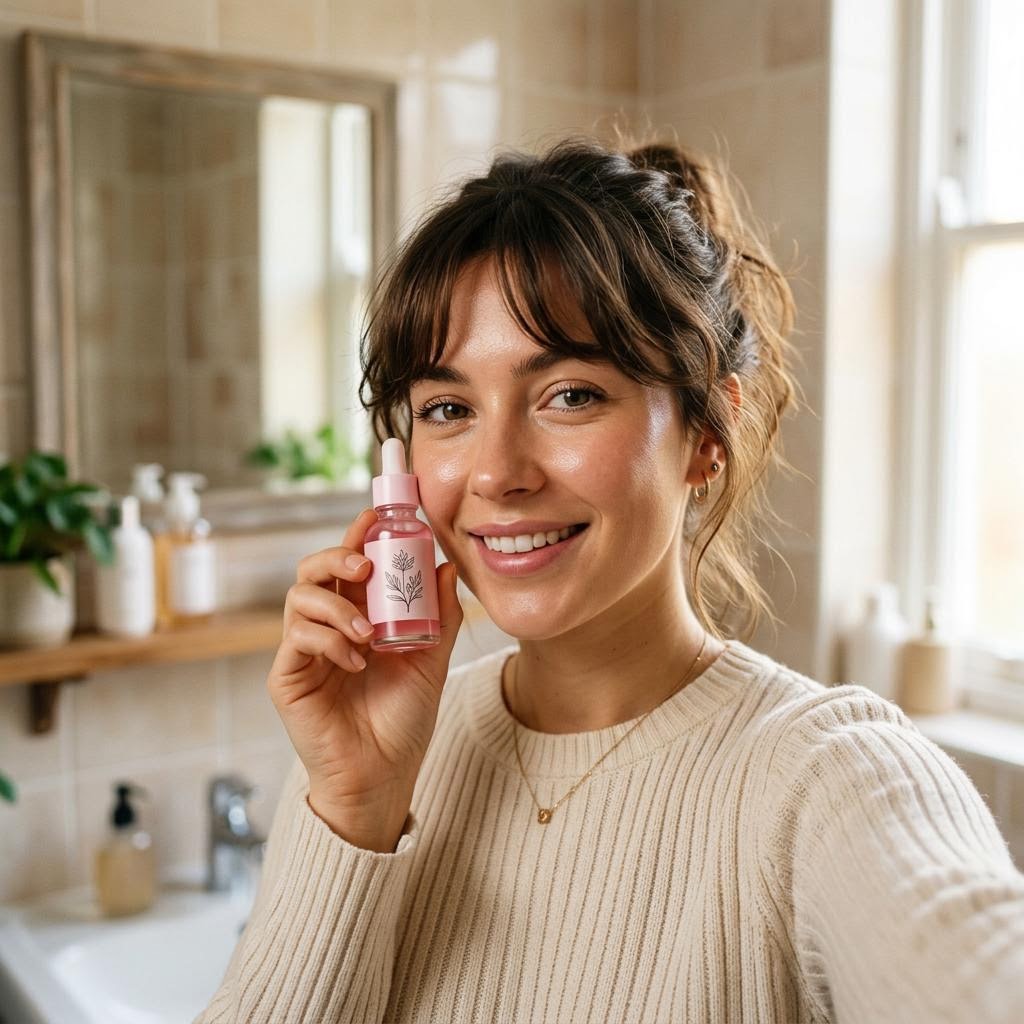
"Our new serum cures dry skin overnight." #ad

"Clinically studied to support skin hydration."
Brand documents, compliance playbooks, a knowledge library, and reviewer intelligence feed into a single standard, so every review applies the same judgment, across audio, video, and captions alike.
The style guides, claims libraries, and approved language your team already maintains.
The category rules and disclosure requirements that apply to your content.
Regulatory guidance and precedent your reviewers already reference, case by case.
Patterns from what your reviewers have actually approved, revised, and rejected.
Whatever a reviewer opens, an influencer draft, an affiliate post, or a brand-owned ad, PinkSpider checks it against the same brand documents, playbooks, and library, refined by how your reviewers actually decide.
Style guides, claims libraries, and regulatory guidance already exist somewhere. Compliance Intelligence turns them into context a review can actually apply, instead of a PDF nobody has time to reread.
Approved tone, terminology, and formatting your team already maintains.
The exact phrases that are approved, and the ones that aren't.
Internal policy and counsel guidance specific to your industry.
A playbook applies the rules that fit a specific program and audience, such as a health-claims playbook for a skincare partnership, or a disclosure playbook for an affiliate program, so a review doesn't lean on one catch-all policy.
A knowledge library holds far more guidance than any single review needs. Scoping by brand, product, channel, and audience retrieves only the rules that actually apply, each one citing where it came from.
Disclosure must appear in the caption's first line using #ad or #sponsored.
Glow Skincare brand document, Disclosure Policy v3Approved: "supports skin hydration." Avoid unsupported terms like "clinically proven" or "cures."
Glow Skincare claims librarySponsored skincare content on TikTok requires a platform-native paid partnership label in addition to the caption disclosure.
Health & Wellness compliance playbookWhen reviewers keep making the same call on a recurring pattern, that judgment becomes a proposed learning: a specific rule with the evidence behind it, surfaced for a human to edit, reject, test, or publish.
A proposed learning stays inactive until it's published. Nothing it surfaces changes how content gets reviewed until a person makes that call.
Every submission is checked against five named dimensions, not one vague 'brand guidance' pass, so a reviewer never has to guess which standard applies.
Disclosure rules and required language that apply to the content.
Category-specific requirements set by the program or audience.
Approved and prohibited language, checked against the submission.
Whether the content fits the audience it's reaching.
Claims and imagery that could put a creator or brand at risk.
Every retrieved rule cites its source, every flag traces to a caption, transcript, or frame, and every proposed learning waits on a human to edit, reject, test, or publish it. PinkSpider does not change your review standard on its own, and it does not guarantee compliance.
No. It surfaces flags, retrieved rules, and evidence for a reviewer. Publishing a proposed learning, and every review decision, stays with a person.
From your own brand documents, compliance playbooks, and knowledge library, plus category guidance PinkSpider maintains, always cited to its source.
It looks for patterns in how your reviewers have actually decided, then proposes a specific rule. It stays inactive until a person edits, tests, or publishes it.
No tool can guarantee compliance. PinkSpider is built to make the evidence behind a decision clear and consistent, not to replace legal or compliance judgment.
We'll show you how Compliance Intelligence turns them into a review standard, with a human keeping the final call.
Request a Demo →